Grape hyacinth
The flowers are an important food source for bees and other pollinating insects in early spring.

Photo: Jens H. Petersen
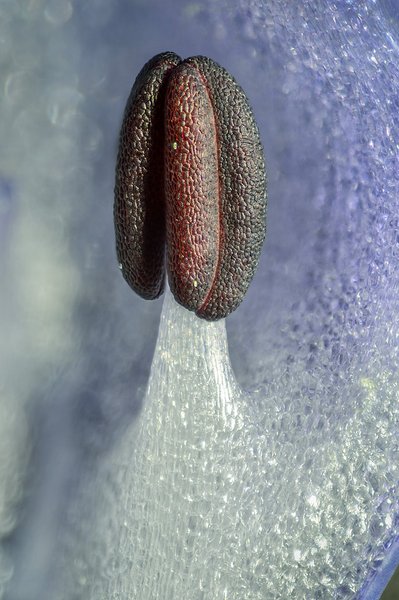
Photo: Jens H. Petersen
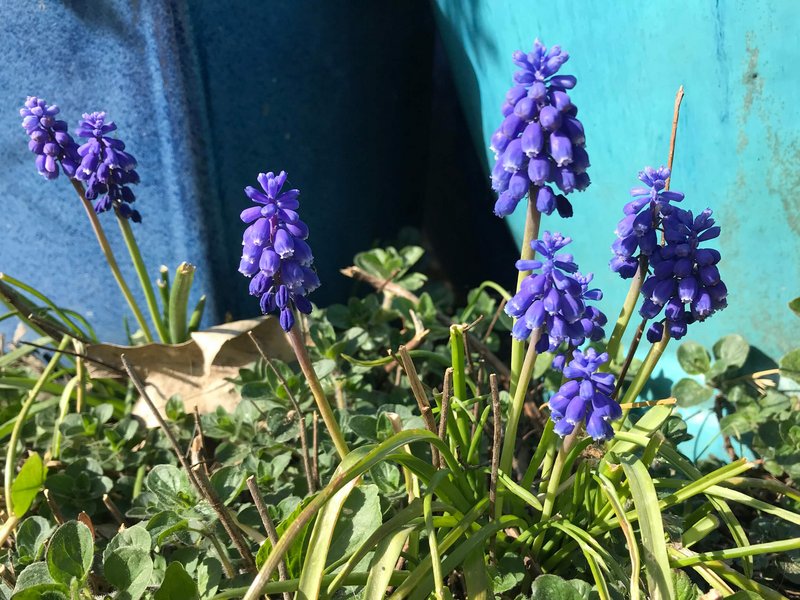
Grape hyacinth is a perennial herb. In the spring, March-April, it sprouts with a rosette of long narrow leaves and bright blue flowers that lighten up in many gardens.
The flowers are an important food source for bees and other insects in the early spring and the insects help pollinating the flowers.
The leaves utilize the sunlight to make nutrients, which are stored in the bulbs underground. In early summer, both flowers and leaves wither and the plant survives as bulbs underground until next spring. When winter is coming to an end and it is getting warmer, the plant uses the nutrients of the bulb to sprout and form new leaves and flowers.
Many other bulbous plants reproduce by forming new bulbs around the main bulb. Grape hyacinth propagates only by seeds.
Facts:
- Greenhouse location: The exhibition “Fabulous Flowers”
- Danish name: Almindelig perlehyacint
- Latin name: Muscari botryoides
- Family: The Hyacinth family / Hyacinthaceae
- Natural habitat: Grown in gardens, and can be found naturalized near buildings