Eucalyptus

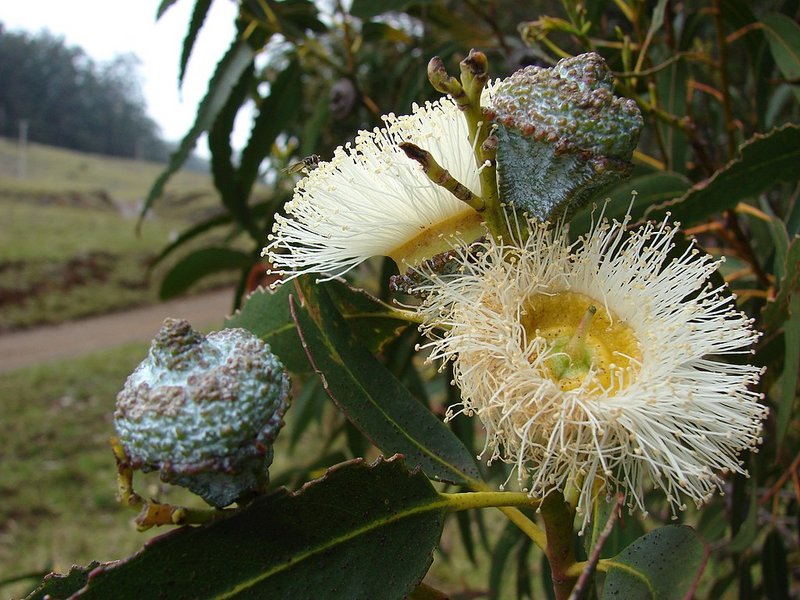
Blue gum (Eucalyptus globulus) is a plant genus of over 750 species of trees. One of the most commonly cultivated species is blue gum which is also known as fever tree because it has been used to combat malaria fever.
Blue gum trees have been planted in swampy areas for draining the soil, e.g. on the Po Plain in northern Italy. As the soil dries out, the habitats of the malaria mosquito larvae disappear, and fewer people become infected.
Blue gum is the most commonly cultivated species of Eucalyptus, both in Australia and the rest of the world. The tree grows quickly, and the wood is hard and durable. It is used for timber production and for the production of paper pulp.
The leaves from the blue gum are the primary source of eucalyptus oil. The oil is used as a flavouring, e.g. in sweets, as a herbal remedy for cold symptoms and in creams for treating aches and pains after sports.
Learn more about the blue gum in the video below, where scientist Finn Borchsenius explains how this tree adapts to environmental challenges — such as wildfires.
Facts:
- Greenhouse location: Mediterranean house
- Danish name: Febertræ
- Latin name: Eucalyptus globulus
- Family: Myrtle family / Myrtaceae
- Natural habitat: Australia
Learn more about other plants here.