Ginger

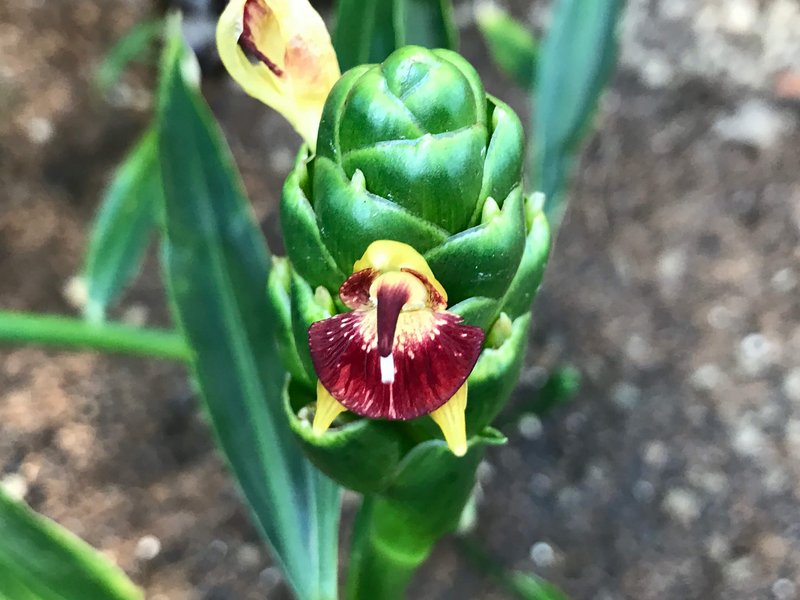
Ginger has been cultivated for thousands of years in India and China and is regarded as one of the oldest cultivated plants. It probably originates from South or Southeast Asia, but because it has been grown for such a long time, its exact origin is uncertain.
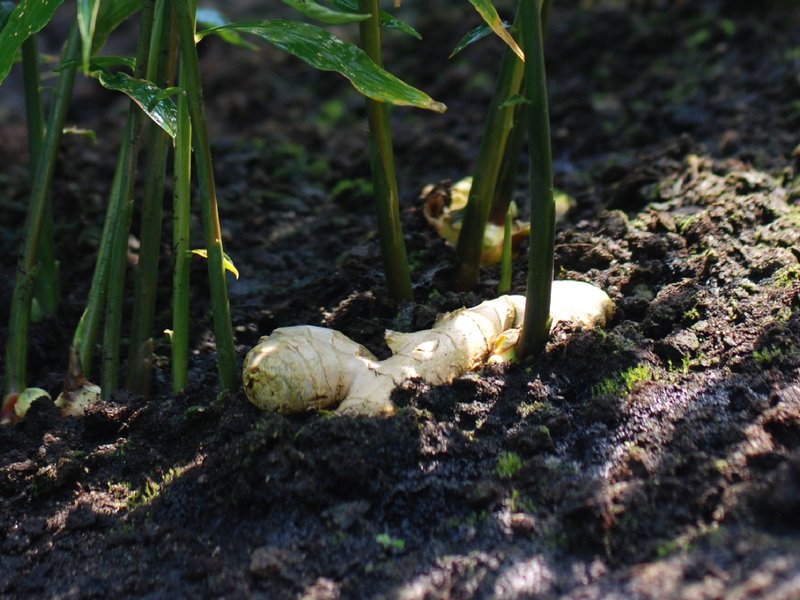
Ginger is a perennial herb, and it is the plant’s underground stems – the ginger rhizomes – that are used as a spice and in dietary supplements.
In addition to its use as a spice, ginger has traditionally been considered beneficial for digestion and has been used to treat upset stomach, diarrhoea, and nausea.
Studies have shown that ginger can be effective against nausea, for example after anaesthesia or when caused by motion sickness. Ginger contains many antioxidants, and some studies suggest that it may relieve pain and stiffness in people with osteoarthritis. However, the Danish Arthritis Association notes that further long‑term, high‑quality studies are still needed.
Ginger is also easy to grow on a windowsill. Simply buy a fresh ginger rhizome and plant it in a pot with potting soil; it will soon begin to sprout.
Fact box:
- Greenhouse location: Tropical house
- Danish name: Ingefær
- Latin name: Zingiber officinale
- Family: Ginger family / Zingiberaceae
- Natural habitat: India