Cacao

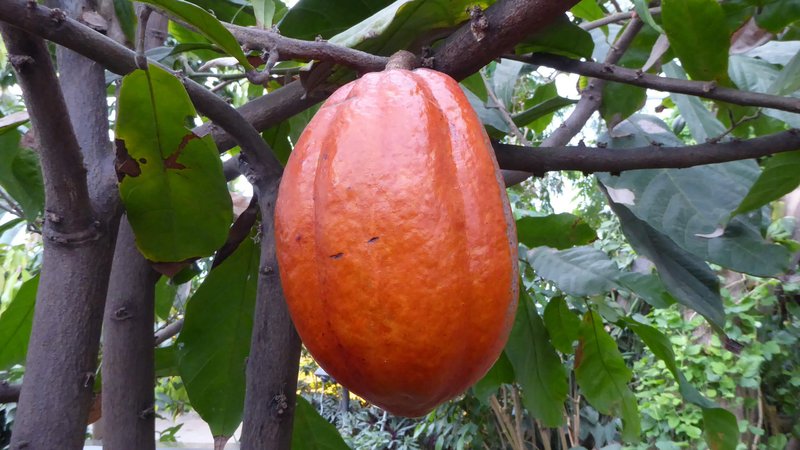
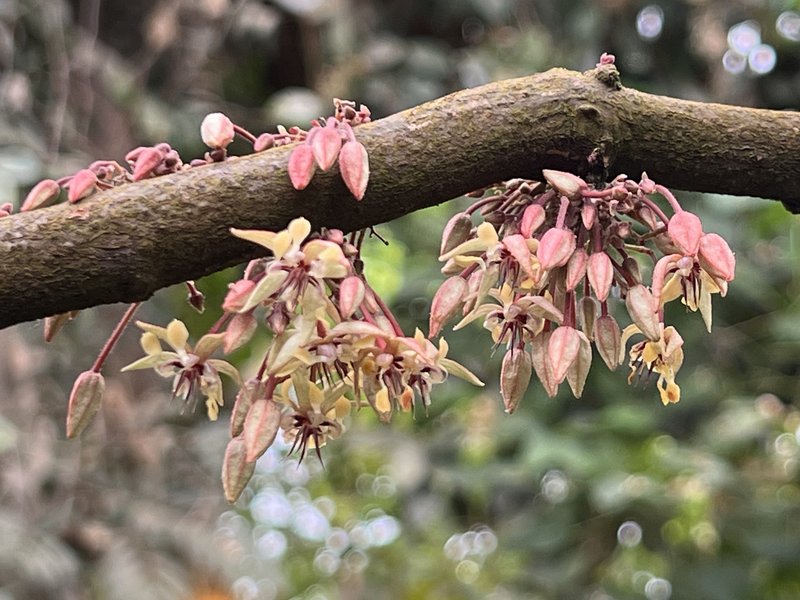
Cocoa originates from tropical regions of South America, especially the Amazon Basin, and was later spread to Central America, where it was cultivated by the Olmecs, Maya, and Aztecs. The Swedish botanist Carl von Linné gave the cocoa tree its scientific name, Theobroma cacao, in 1753. Theobroma means “food of the gods,” derived from the Greek theos (god) and broma (food).
Chocolate is made from the seeds of the cocoa fruit—the so-called cocoa beans. A single fruit typically contains 30–40 seeds. The fresh seeds are bitter and must be fermented, dried, and roasted before they develop their characteristic cocoa flavor.
It was the indigenous peoples of Central America who first cultivated and valued cocoa in a cultural and ritual context. The Aztecs regarded cocoa as a gift from the god Quetzalcoatl, and the drink was considered the food of the gods. Cocoa was prepared as a bitter beverage made from ground cocoa beans mixed with chili, vanilla, and water—known as xocolatl. It was consumed by the elite and used in religious ceremonies and as a means of payment.
The Spanish encountered cocoa in the early 16th century and brought both the cocoa beans and the drink to Europe. In Europe, cocoa was sweetened with sugar and adapted to European tastes, quickly becoming popular among the nobility.
Watch the video at the bottom of this page to see what the cacao fruit looks like inside. Here you can see the fruit's seeds, the cacao beans.
Fact box:
- Greenhouse location: Tropical house
- Danish name: Kakao
- Latin name: Theobroma cacao
- Family: Mallow family / Malvaceae
- Natural habitat: South America