Lemon

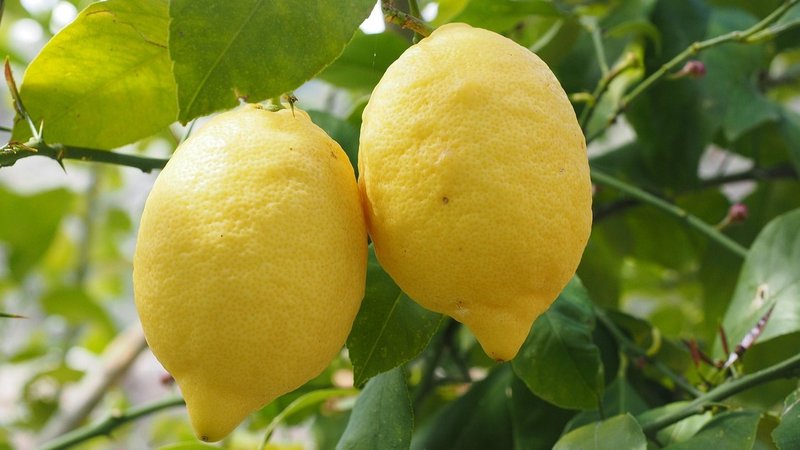
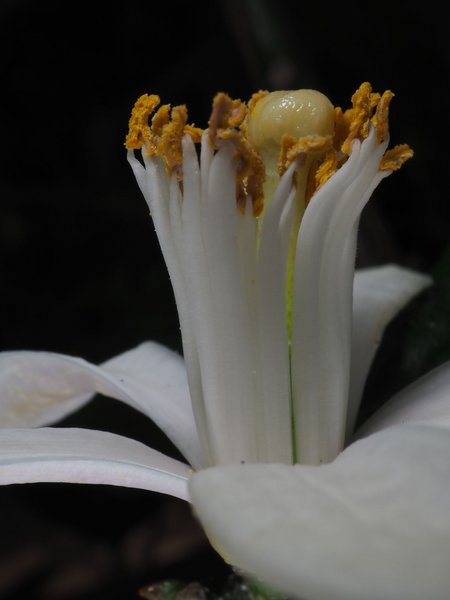
© Egon Krogsgaard
Lemon (Citrus limon) is not an original species but a hybrid that likely arose from crosses between pomelo (Citrus maxima), citron (Citrus medica), and mandarin (Citrus reticulata).
The lemon is an ancient cultivated plant. It was grown in ancient India and China, where the fruits were valued for their health-promoting properties and their ability to keep fresh for a long time.
In the medieval monastery gardens of Southern Europe, the lemon was further developed. Monks selected trees with large, juicy fruits, a strong fragrance, and a high content of essential oils.
It was discovered that, due to its high vitamin C content, the lemon could help prevent scurvy. This discovery made the lemon an economically important crop and led to the establishment of large citrus plantations in the Mediterranean region and later in the Americas.
Today, lemon is used in cooking, for preservation, and in the production of citric acid.
Lemon juice has antioxidant properties. This is why it is often added to fresh fruit to slow oxidation and prevent browning.
Facts:
- Greenhouse location: Not on display at the moment
- Danish navn: Citron
- Latin name: Citrus limon
- Family: Rue family
- Natural habitat: Asia