Bitter orange

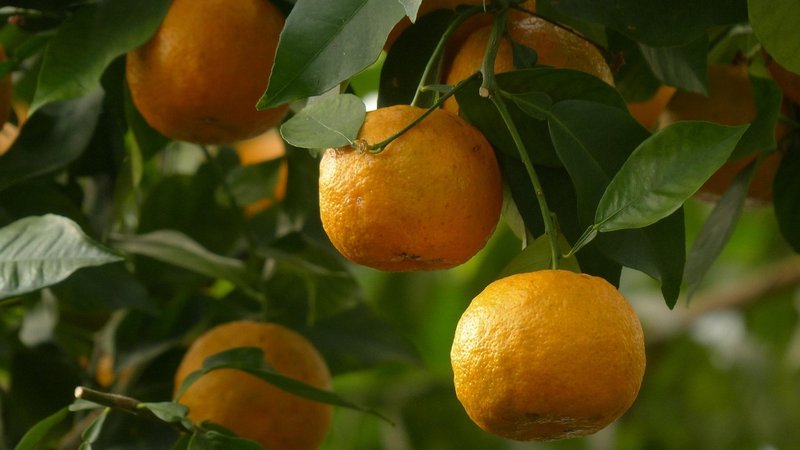
Bitter orange was one of the first citrus fruits to arrive in Europe. It closely resembles the sweet orange, but its fruit has a thicker rind, dry and bitter flesh, and a more spicy aroma. Bitter orange is also known as sour orange because its fruits are very sour and bitter when eaten fresh.
Bitter orange is less susceptible to cold and disease than many other citrus species. As a result, the "orange trees" commonly seen along streets and in parks throughout the Mediterranean region are often bitter orange trees. Because the tree is so robust, it is frequently used as a rootstock for sweet oranges, lemons, and grapefruits.
Bitter orange is a hybrid between pomelo (Citrus maxima) and mandarin (Citrus reticulata) and originates from Southeast Asia. Arab traders brought bitter orange westward along the Silk Road to Sicily and Spain during the 12th century, long before the sweet orange reached Europe.
Today, bitter orange is cultivated in Spain, southern France, China, and Japan, among other countries. The fruit is used for orange marmalade, especially the classic Seville marmalade. Neroli oil, used in perfumes and liqueurs, is extracted from its flowers. Dried leaves and peels are used for tea and aromatherapy.
Facts
- Greenhouse location: Mountain Forest House
- Danish name: Pomerans
- Scientific name: Citrus × aurantium
- Family: Rue Family / Rutaceae
- Native range: Southeast Asia
Facts:
- Greenhouse location: The Mountain Forest House
- Danish name: Pomerans
- Latin name:Citrus x aurantium f. aurantium
- Family: Rue family / Rutaceae
- Natural habitat: India, the southern slopes of the Himalayas