Cassava

Cassava (Manihot esculenta), also known as yuca, is one of the world's most important root crops, particularly in tropical regions. Its tuberous roots contain about twice as much starch as potatoes. In contrast, they contain only small amounts of protein.
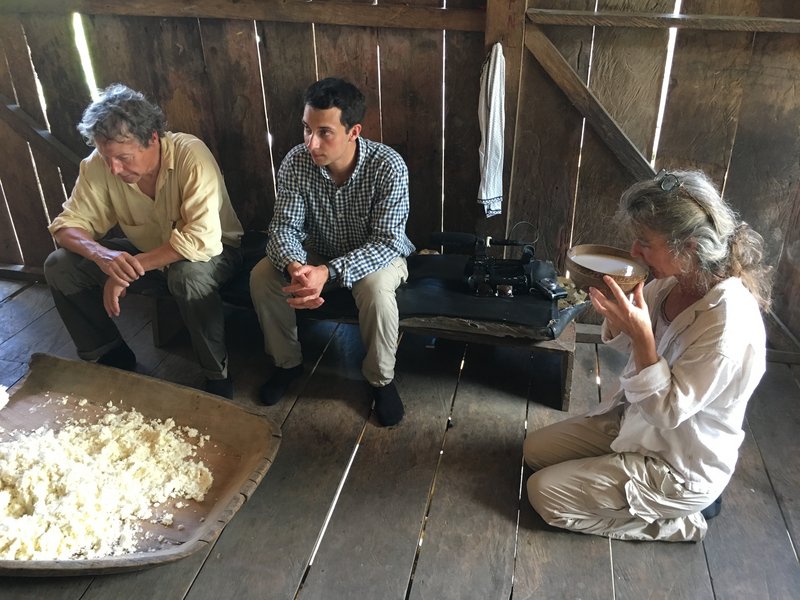
Cassava must be processed before it can be eaten. The plant naturally contains cyanogenic compounds, which can release hydrogen cyanide, a substance that is poisonous to humans. Peeling, soaking, drying, and cooking remove or break down these toxic compounds, making the roots safe to eat.
Scientists believe that these cyanogenic compounds evolved as a defence against herbivores.
Cassava is one of the world's most important food crops and forms a significant part of the diet of hundreds of millions of people in the tropics. The plant can grow in nutrient-poor soils and tolerates drought better than many other crops, making it especially important in regions with an unpredictable climate.
Cassava is also used to produce tapioca, which is found in desserts, puddings, and the popular pearls used in bubble tea.
Facts:
Greenhouse location: The Tropical House
Danish name: Maniok (yuca, kassava)
Scientific name: Manihot esculenta
Family: Spurge family / Euphorbiaceae
Native range: Tropical South America