Chameleon plant

© Egon Krogsgaard
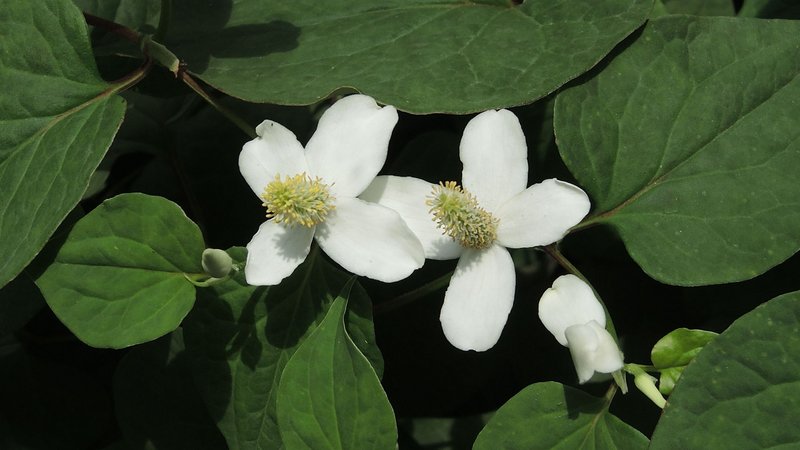
Chameleon plant is cultivated as an ornamental and ground-cover plant, as a salad vegetable, and as a medicinal herb.
In Nepal, juice extracted from the roots is used to treat wounds and skin diseases. In traditional Chinese medicine, the stems and leaves are used against respiratory infections, inflammation of the urinary tract, skin infections, and wounds.
The young leaves and shoots are edible and have a distinctive spicy flavour, often described as a blend of coriander, citrus, and fish. The taste is divisive: some find it aromatic and refreshing, while others consider it pungent and penetrating.
Chameleon plant contains essential oils and other bioactive compounds that are believed to contribute to its antibacterial and anti-inflammatory properties. For this reason, it has been used in traditional medicine in several parts of Asia for centuries.
The plant spreads readily by underground rhizomes and can form dense colonies. In gardens, it is valued as a decorative ground cover with colourful foliage, but it can also be difficult to control once established.
Facts:
- Greenhouse location: The Mountain Forest House
- Danish name: Kamæleonblad
- Latin name: Houttuynia cordata
- Family: Lizard's-tail family / Saururaceae
- Natural habitat: East and South Asia, often in mountain forest