Rosemary

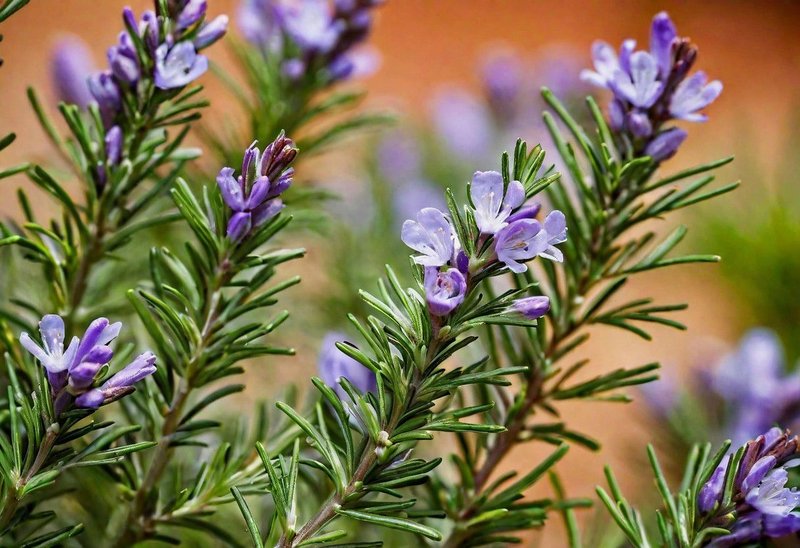
Rosemary is an evergreen herb native to the Mediterranean region. It grows naturally on dry, sunny slopes, where it can withstand heat, wind, and long periods without rainfall.
The plant is well adapted to the dry Mediterranean climate. Its leaves are needle-like and have a waxy surface, which helps reduce water loss through evaporation. This allows rosemary to survive in areas that receive very little rainfall.
The leaves contain essential oils that give rosemary its characteristic aroma and flavour. For centuries, the plant has therefore been used as a culinary herb. These essential oils may also help protect the plant from herbivores and insect pests.
Rosemary produces small blue, purple, or pink flowers. The flowers are rich in nectar and attract many insects, including bees and butterflies. As a result, rosemary is an important plant for pollinating insects.
Did You Know?
The name rosemary comes from the Latin ros marinus, meaning "dew of the sea." The plant often grows near the Mediterranean coast, where morning dew may settle on its leaves.
Facts:
- Greenhouse location: Mediterranean House
- Common name: Rosmarin
- Latin name: Salvia rosmarinus
- Family: Mint Family (Lamiaceae)
- Native habitat: Mediterranean region