Weeping fig

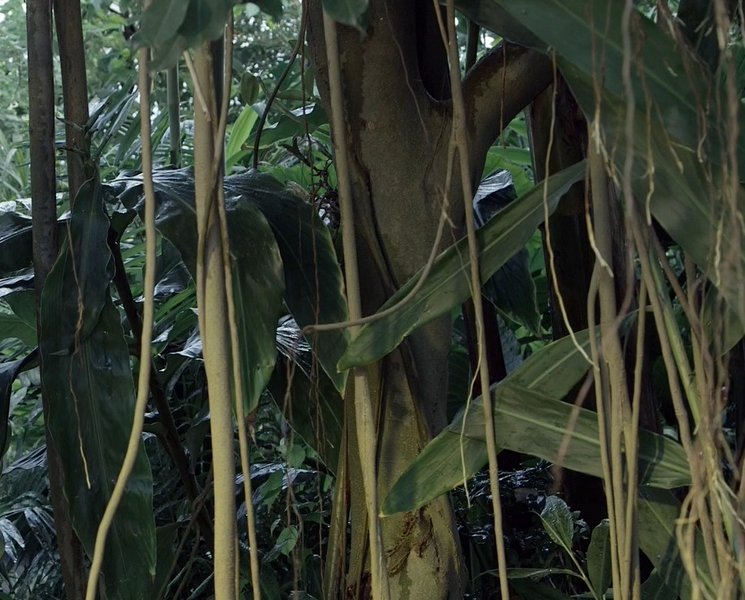
Weeping fig (Ficus benjamina) is a popular houseplant, also known as Benjamin fig. It originates from the tropical rainforests of Asia. Although its name might suggest that it is related to birch trees, it actually belongs to the fig genus (Ficus). In the wild, a weeping fig can grow up to 30 metres tall, but as a houseplant it remains much smaller.
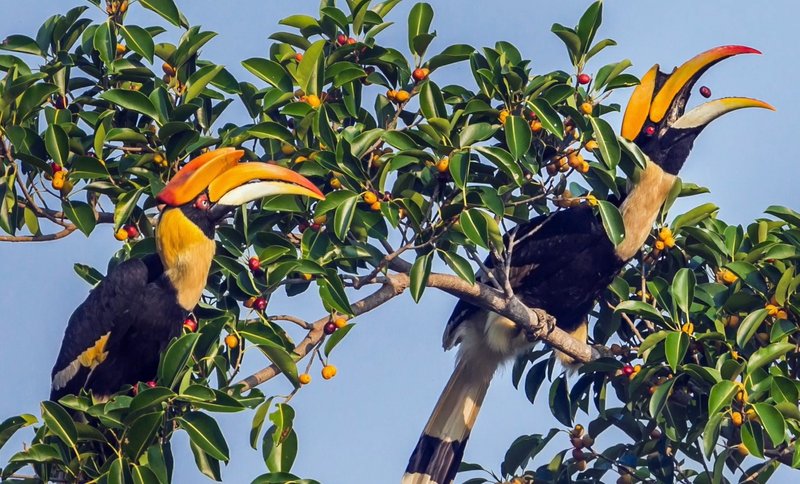
In the rainforest, plants compete for access to light, and the weeping fig has developed a special strategy to survive. Its small fruits are eaten by birds, which later disperse the seeds in their droppings. If a seed lands on a branch high up in a tree, it can germinate using the nutrients found in the bird droppings.
As it grows, the weeping fig sends roots down towards the ground and around the trunk of its host tree. Gradually, the roots encircle the host while growing together into a dense network. Eventually, the host tree is strangled and dies, after which it decomposes. What remains is a hollow network of fused roots. This is why many species of Ficus are known as strangler figs.
The weeping fig also often develops aerial roots that hang down from its branches. When these roots reach the ground, they can take root and develop into additional supporting roots. In this way, a single tree can spread over a large area.
Facts:
Location in the greenhouse: The Tropical House
Danish name: Stuebirk
Scientific name: Ficus benjamina
Family: Fig family / Moraceae
Native range: Tropical regions of South and Southeast Asia, as well as northern Australia.